




In the world of high-end wall finishes, the difference between a mediocre result and a masterpiece often comes down to a single tool: the trowel. Whether you are a seasoned professional or an aspiring artisan, selecting the best finishing trowel for plastering is the most critical decision you will make for your toolkit.
At Venetian Plaster Artisans, we understand that achieving that glass-like, polished reflection or a perfectly smooth skim coat requires more than just skill—it requires precision-engineered equipment. In this guide, we’ll break down everything you need to know about plastering trowel sizes, materials, and how to choose the right tool for a flawless finish.
Why the Right Plastering Trowel Matters
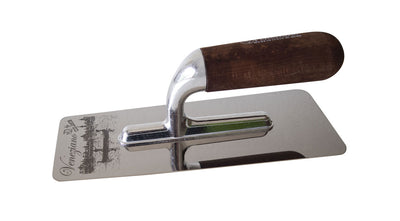
A professional plastering trowel isn't just a flat piece of metal with a handle. It is an extension of the plasterer's arm. The flexibility of the blade, the ergonomics of the grip, and the quality of the steel determine how the material behaves on the wall. Using the wrong tool can lead to "chatter marks," uneven thickness, or even rust spots in your finished plaster.
If you are looking to upgrade your kit, our curated collection of finishing and plastering trowels features the same tools used by our expert artisans on luxury projects across the UK and USA.
Understanding Plastering Trowel Sizes: A Quick Guide
Choosing the right size is the first step in how to choose a plastering trowel. While it might be tempting to go for the largest blade to cover more ground, the "best" size depends entirely on the stage of the job and the type of plaster you are using.
|
Trowel Size |
Best Use Case |
Benefit |
|---|---|---|
|
40mm – 140mm (Small) |
Detailed work, reveals, and internal corners. |
Maximum control for intricate areas. |
|
240mm (Medium) |
General skimming and residential walls. |
The "Goldilocks" size for versatility. |
|
280mm (Large) |
Large commercial walls and ceilings. |
High productivity and flatter finishes over distance. |
|
240mm - 280mm (finishing / Burnishing) |
Final finishing on expansive, flat surfaces. |
Minimizes the number of joins or "passes." |
For most professionals, a 240mm Medium stainless steel plastering trowel is the industry standard for general polished plastering, while smaller 140mm "mini" trowels are essential for detail work around windows and switches.
Stainless Steel vs. Carbon Steel: Which is Better?
When searching for the best finishing trowel, you will likely encounter two primary materials: Stainless Steel and Carbon Steel.
1. Stainless Steel Plastering Trowel
This is the gold standard for modern artisans. Stainless steel is rust-resistant, meaning you won’t get "rust bleed" into your white or light-colored plasters. It is also slightly more flexible than carbon steel, making it the best trowel for skimming plaster when you need a smooth, delicate touch
2. Carbon Steel Trowel
Carbon steel is traditionally harder and holds a sharper edge longer. However, it requires significant maintenance to prevent rusting. Most professionals now reserve carbon steel for base coats and switch to stainless for the finishing stages.
Best Finishing Trowel for Plastering: Top Picks for 2026
To achieve a professional plastering trowel finish, you need a blade that can "flex." Flexible finishing trowels (often called "Flexi-trowels") have revolutionized the trade. They allow you to apply light pressure to flatten the plaster without "digging in" or leaving marks.
- For Venetian & Polished Plasters: Look for trapezoid-shaped trowels with rounded corners. These prevent the edges from scratching the delicate surface during the burnishing process
- For Multi-Finish Skimming: A 0.6mm or 0.3mm ultra-flexible stainless steel blade is ideal. It hugs the contours of the wall, ensuring a "silky" smooth finish every time.
Check out our full range of professional plastering tools to find the specific blade thickness that suits your style.
How to Choose a Plastering Trowel: 3 Pro Tips
If you are still unsure which tool to add to your cart, follow these three rules:
- Check the Weight: If you are working on ceilings all day, a lightweight aluminum-mounted trowel will save your wrists and shoulders from fatigue.
- Look for Pre-Worn Edges: High-quality professional plastering trowels often come "pre-broken in." This means the edges are slightly beveled so they won't "catch" on the plaster right out of the box.
- Handle Ergonomics: Choose a "soft-grip" or cork handle. Leather handles are also popular among artisans as they absorb sweat and provide a superior grip over long hours.
FAQs: Your Plastering Tools Questions Answered
What is the best plastering trowel for beginners?
We recommend 2 stainless steel trowels 240mm size. 1 trowel for your base coat and textured venetian plasters. Then 1 for your patched coat / burnishing final layers on Lucido for example as the best starting point. It’s the best way to learn how to move material but small enough to maintain control, Patch coat and apply overall even pressure to create top end results.
Why is my trowel leaving black marks on the plaster?
This usually happens with low-quality steel or carbon steel trowels. For white finishes or Venetian plaster, always use a high-grade stainless steel plastering trowel to avoid oxidation marks.
How do I clean my finishing trowel?
Never let plaster dry on the blade. Clean it with water and a soft brush immediately after use. For stainless steel, a quick wipe with a dry cloth or microfiber towel is usually enough to keep it in top condition.
Enhance Your Craft with Venetian Plaster Artisans
Achieving plastering tools for smooth finish results requires a combination of high-quality materials and the right equipment. At Venetian Plaster Artisans, we don't just sell tools; we use them every day to create luxury finishes for our clients.
Explore our online store today to find the best finishing trowel for plastering and elevate your work to an artisan level.
Venetian Plaster Artisans
- Phone: +447883909851
- Email: sales@venetianplasterartisans.co.uk